About me

AI × Biology

Learn biology, Generate solutions

I work at the intersection of artificial intelligence and biology — building machine-learning methods that learn the language of cells, sequences and molecules.

Most of my research is generative: I design flow-matching, diffusion and probabilistic models that simulate cellular dynamics and predict how biological systems respond to genetic and chemical perturbations. More broadly, I work across sequence- and structure-aware modelling, uncertainty estimation and representation learning — with a consistent goal of turning predictive models into mechanistic, interpretable and experimentally useful insight.

  • PhD Researcher Cambridge · Sanger
  • AI × Bio Cells · Sequences · Molecules
  • Generative Modelling Perturbations · Structure · Dynamics
  • Discovery Targets · Molecules · Experiments

What I work on

  • Generative AI for Biology

    Flow-matching, diffusion and probabilistic models that simulate cellular states and generate realistic biological data.

  • Single-cell & Perturbations

    Predicting how cells respond to genetic and chemical perturbations from single-cell and multimodal data.

  • Sequence & Structure Modelling

    Representation learning across sequences and molecular structure for multitask learning and drug discovery.

  • Probabilistic & Open Science

    Uncertainty-aware, interpretable methods — released as open, reproducible research software.

News & Milestones

  1. Started industrial placement at AstraZeneca

    Multitask learning of antibodies' developability — Cambridge.

    Jul 2026
  2. Paper at ICML 2026

    Active hit discovery accepted at ICML; attended in Seoul!

    2026
  3. Papers at ICLR 2026

    Retrieval-augmented perturbation prediction and GGE (top 10%) at the Gen2 Workshop, ICLR; attended in Rio!

    2026
  4. Visiting PhD student in Bayesian deep learning

    Fortuin Group, Helmholtz AI, Munich — uncertainty estimation for single-cell models.

    2024
  5. Started PhD in AI for Biology

    University of Cambridge & Wellcome Sanger Institute.

    2023

Resume

Currently

  • Live

    PhD Researcher — Generative AI for Biology

    University of Cambridge & Wellcome Sanger Institute

    2023 — Present
  • Live

    Research Scientist Intern — AI for Antibodies

    AstraZeneca · Cambridge

    Jul — Oct 2026

Education

  1. PhD in Computational Biology

    University of Cambridge (Computer Science) & Wellcome Sanger Institute — generative AI for single-cell perturbations, molecule design and probabilistic ML. Supervisors: Prof. Pietro Liò & Dr. Mohammad Lotfollahi.

    2023 — Present
  2. MSc Exchange — Machine Learning & Artificial Intelligence

    Utrecht University — advanced machine learning and AI.

    2021 — 2022
  3. MSc Molecular Biotechnology & Bioinformatics

    University of Milan — 110/110 cum laude. Thesis: statistical models to infer the causal process of somatic mutations in humans.

    2020 — 2022
  4. BSc Genomics

    University of Bologna — 110/110 cum laude. Thesis: programming of liquid-handling platforms for DNA-assembly automation.

    2017 — 2020

Experience

  1. Industry

    Research Scientist Intern — AI for Antibodies

    AstraZeneca, Cambridge — machine-learning methods for multitask learning and antibody discovery and design.

    Jul — Oct 2026
  2. Research

    PhD Researcher

    University of Cambridge & Wellcome Sanger Institute — generative and probabilistic models for predicting single-cell perturbation responses and guiding experimental design.

    2023 — Present
  3. Research

    Research Affiliate

    Kellis Lab, MIT-CSAIL — contextualized machine learning for biological modelling.

    2023 — 2025
  4. Research

    Visiting PhD Student

    Fortuin Group, Helmholtz AI, Munich — Bayesian and ensemble-based uncertainty estimation for single-cell representation learning.

    2024
  5. Research

    Computational Biologist

    Kellis Lab, MIT-CSAIL — a framework for contextualized differential-expression analysis.

    2023
  6. Internship

    Bioinformatician — EMBL-EBI

    Goldman Group, EMBL-EBI, Cambridge — tools for large-scale statistical analysis of phylogenetic tree collections.

    2022 — 2023
  7. Internship

    Bioinformatician — Princess Máxima Center

    Van Boxtel Group, Princess Máxima Center, Utrecht — machine learning for mutational processes and chemotherapy-induced mutagenesis.

    2021 — 2022
  8. Internship

    Bioinformatician — Explora Biotech

    Doulix, Explora Biotech, Venice — computational workflows for large-scale production of custom DNA constructs.

    2020

Teaching

  1. Supervisor & Demonstrator

    Department of Computer Science and Technology, University of Cambridge — Bioinformatics (third-year CS), Machine Learning & Bayesian Inference (third-year CS), and Machine Learning & Real-World Data (first-year CS).

  2. Teaching Assistant

    Applied Probability and Statistics — supporting undergraduate teaching and problem classes.

Skills & Toolbox

  • Languages & Tools
    • Python
    • PyTorch
    • JAX
    • R
    • Git
    • Linux / HPC
  • ML & Modelling
    • Flow Matching
    • Diffusion Models
    • Variational Inference
    • Bayesian Deep Learning
    • Transformers
    • Graph Neural Networks
  • Biology & Omics
    • Single-cell Genomics
    • Perturbation Modelling
    • Protein and Molecular Modelling
    • Multi-omics
    • Experimental Design

Projects

Open-source tools and research code I build for computational biology and machine learning. Everything here is public — click a card to jump to the repository.

Documentation Hub

Visit the centralized documentation for all projects:

View Documentation

Research

My research sits at the intersection of AI and biology. I build machine-learning frameworks to model cellular dynamics and predict the effects of genetic and chemical perturbations from single-cell and multimodal data, while increasingly extending these ideas to molecular sequence and structure.

Selected Publications & Preprints

  • 2026

    Many Needles in a Haystack: Active Hit Discovery for Perturbation Experiments

    Andrea Rubbi et al. — University of Cambridge & Wellcome Sanger Institute

    An active-learning approach for prioritising perturbation experiments, efficiently surfacing rare "hits" across large combinatorial screening spaces.

  • 2026

    Shortest-Path Flow Matching with Mixture-Conditioned Bases for OOD Generalization

    Andrea Rubbi et al. — Lotfollahi Lab, Wellcome Sanger Institute

    A flow-matching framework with mixture-conditioned bases that generalises out-of-distribution to unseen perturbation conditions in single-cell data and other modalities.

  • 2026

    Retrieval-Augmented Generation for Predicting Cellular Responses to Gene Perturbation

    Andrea Giuseppe Di Francesco, Andrea Rubbi et al. — co-first author

    A retrieval-augmented generative model that conditions on relevant reference cells to improve prediction of transcriptomic responses to gene perturbations.

  • 2026

    A Standardized Framework for Evaluating Gene-Expression Generative Models (GGE)

    Andrea Rubbi, Andrea G. Di Francesco, Mohammad Lotfollahi, Pietro Liò

    A reproducible benchmark and metric suite for rigorously comparing generative models of gene expression, with a focus on biological faithfulness and calibration.

  • 2024

    Contextualized: A Heterogeneous Modeling Toolbox

    Kellis Lab, MIT-CSAIL — contributing author

    Contributor to an open-source toolbox for context-adaptive statistical models that vary with sample metadata — published in the Journal of Open Source Software.

  • 2023

    Contextualized Machine Learning

    Kellis Lab, MIT-CSAIL — contributing author

    A framework for learning sample-specific, context-dependent models, applied to contextualized differential-expression analysis of biological data.

Blog

Occasional notes on computational biology, machine learning and the messy, beautiful process of turning data into biological insight.

Photography

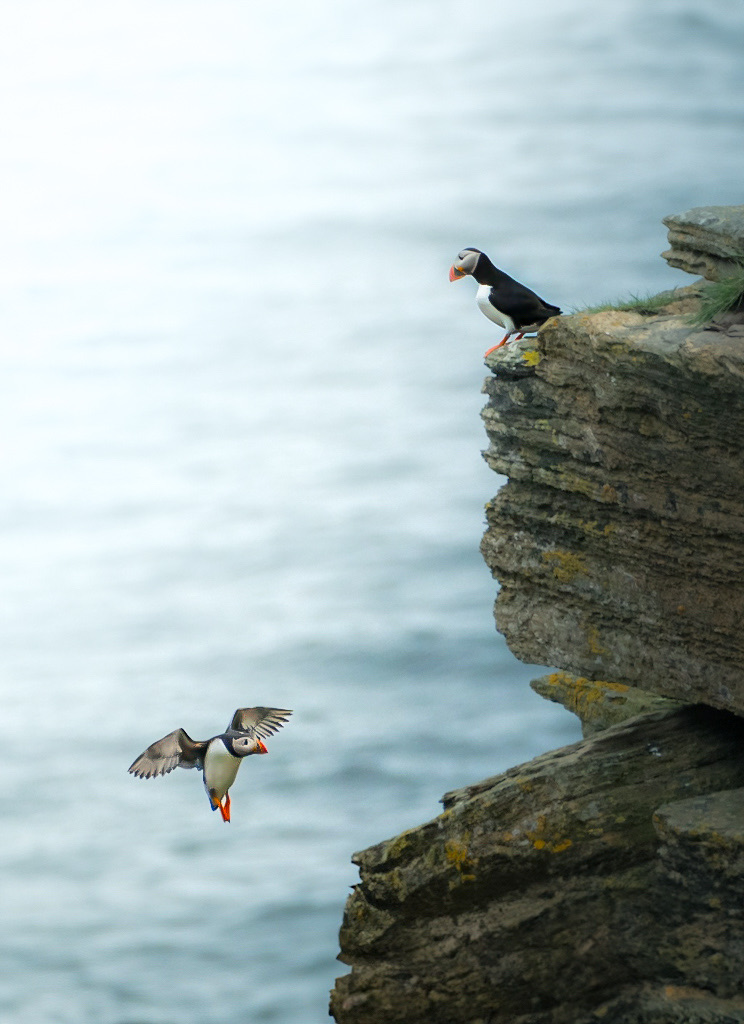
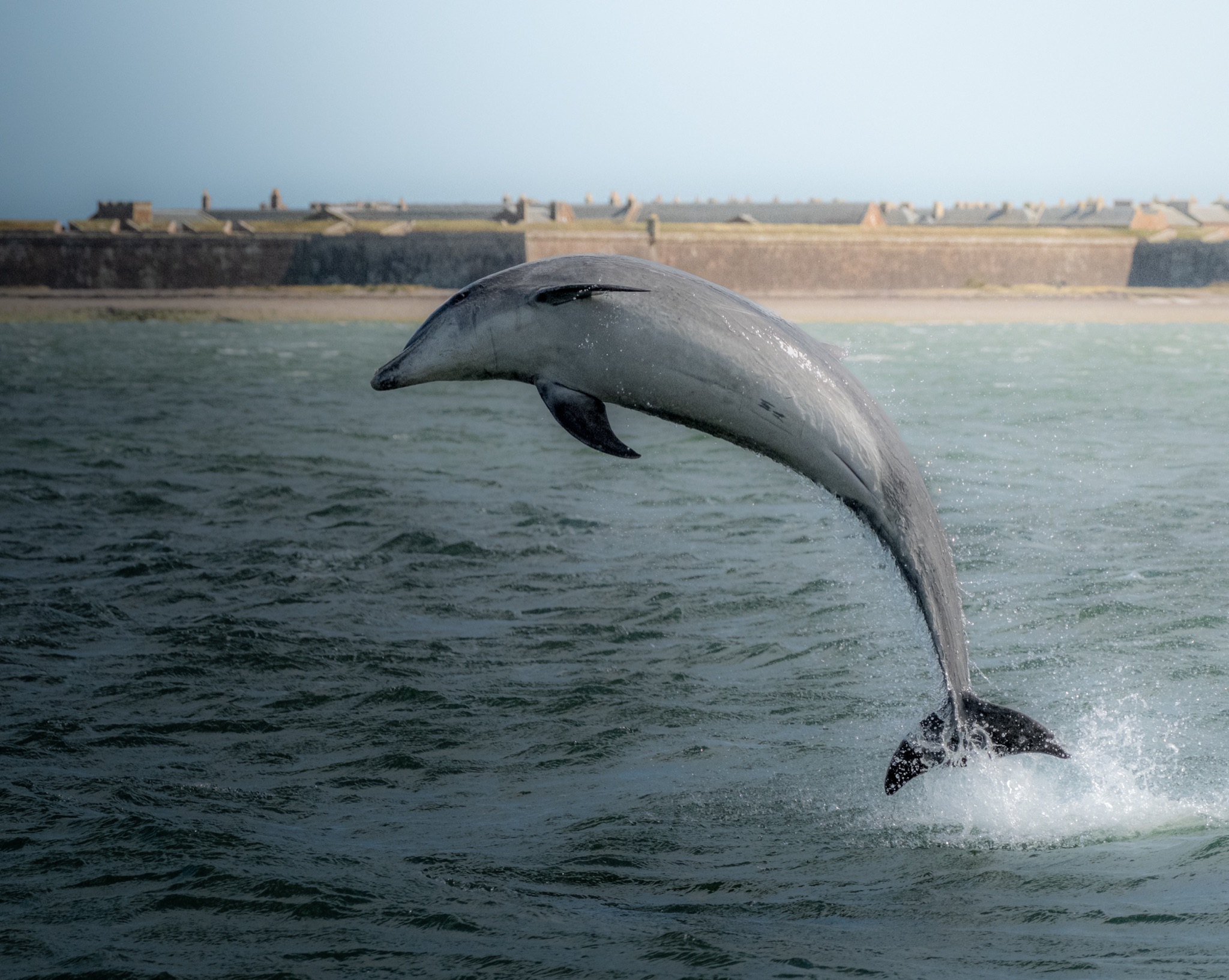
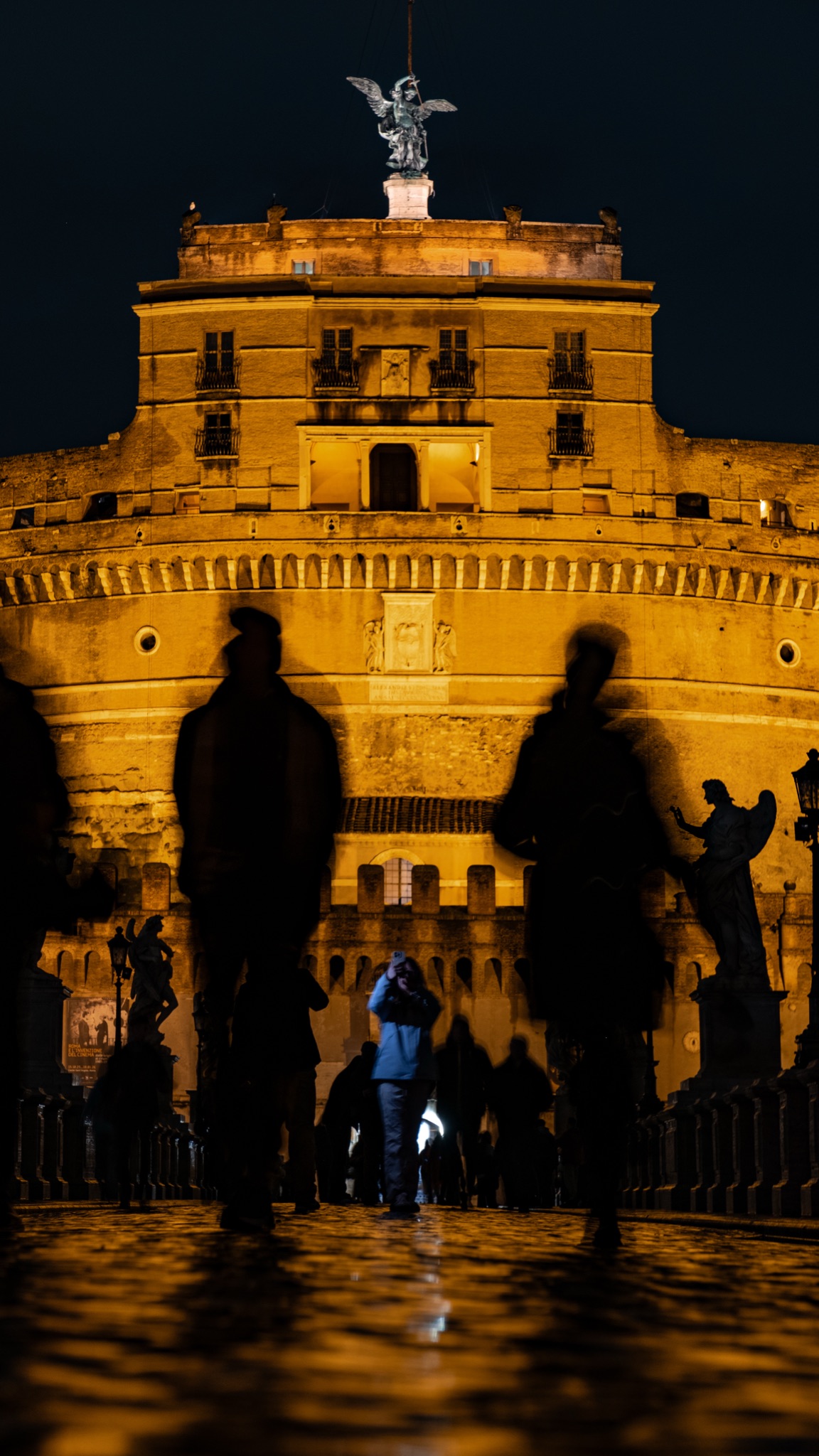
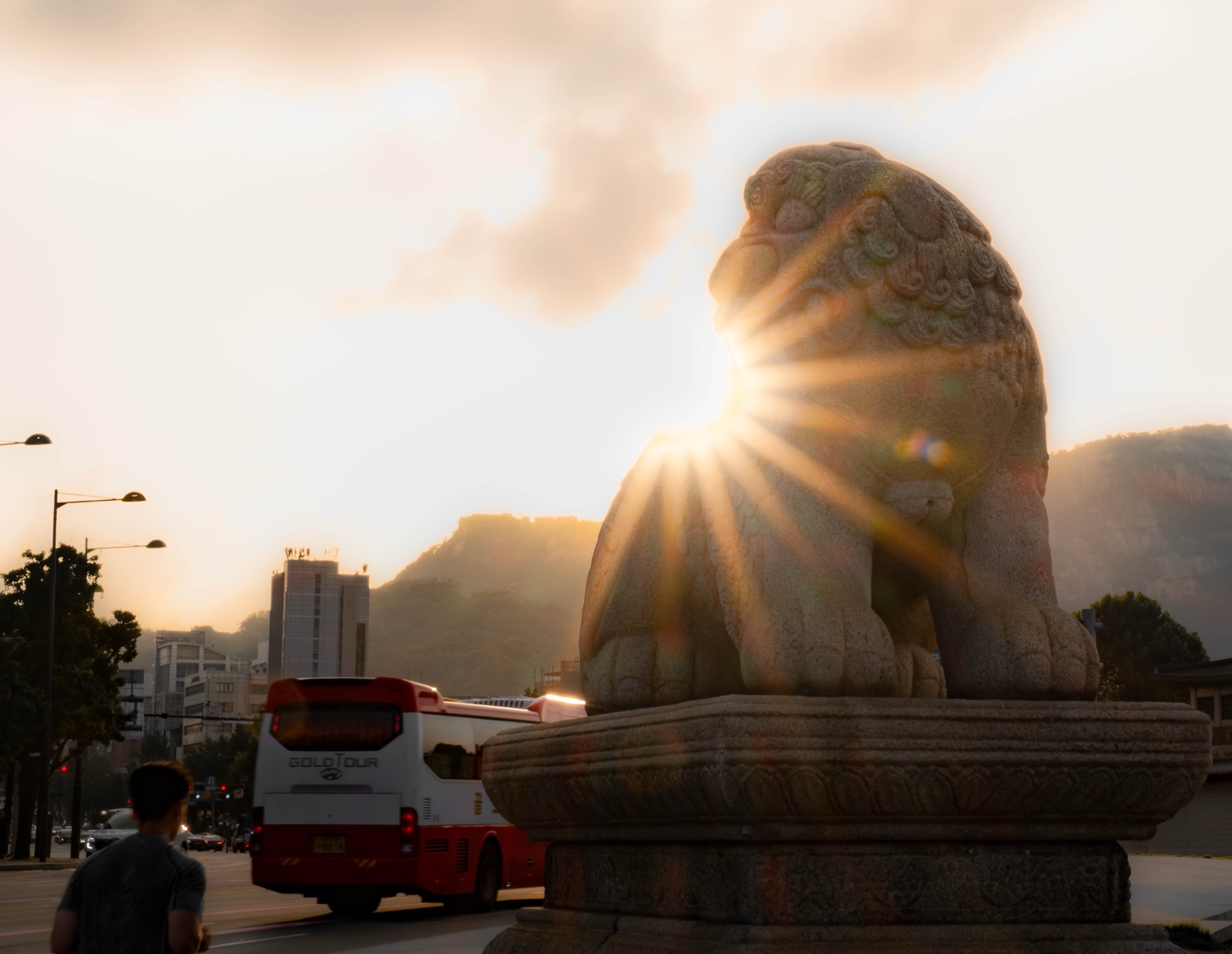
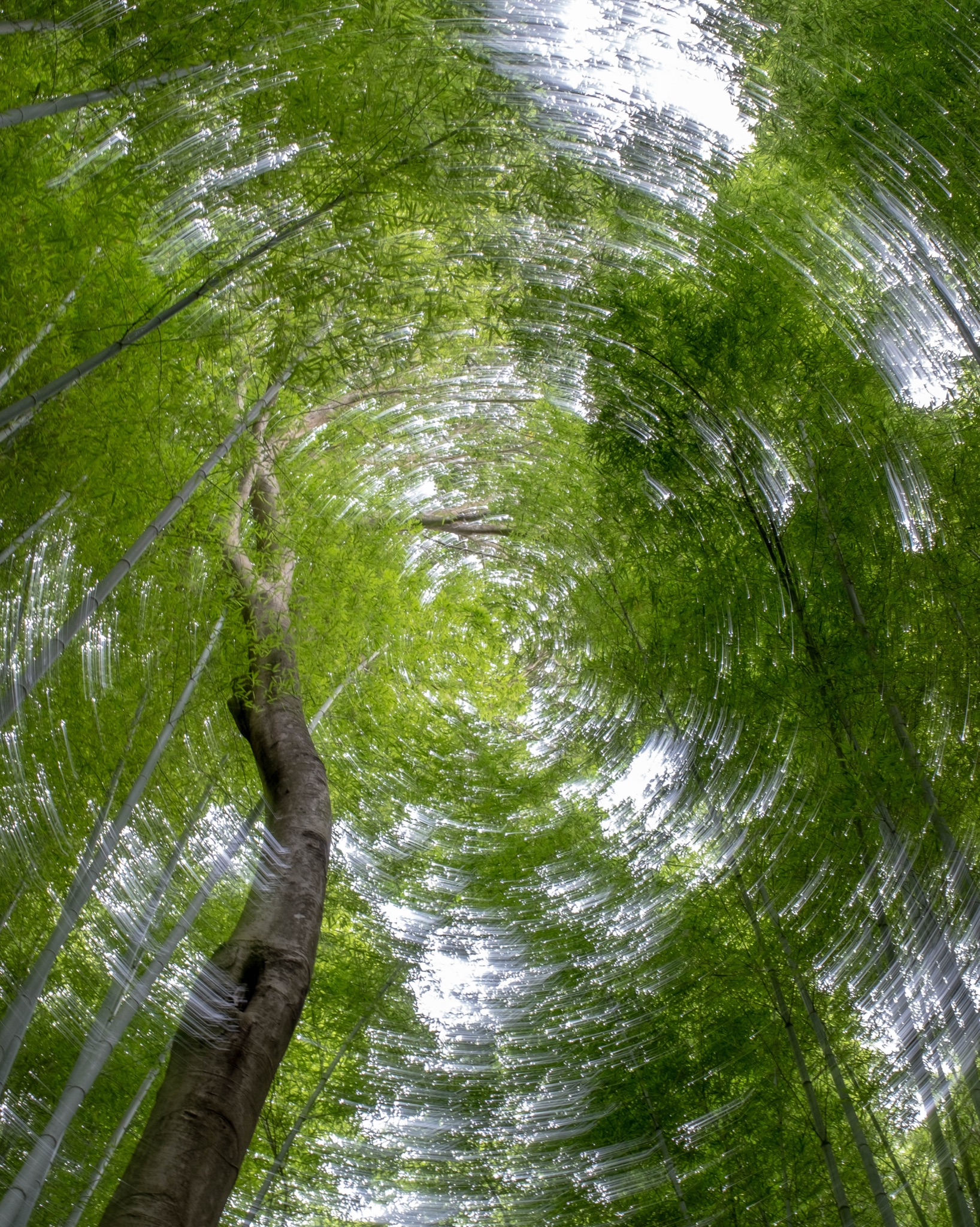
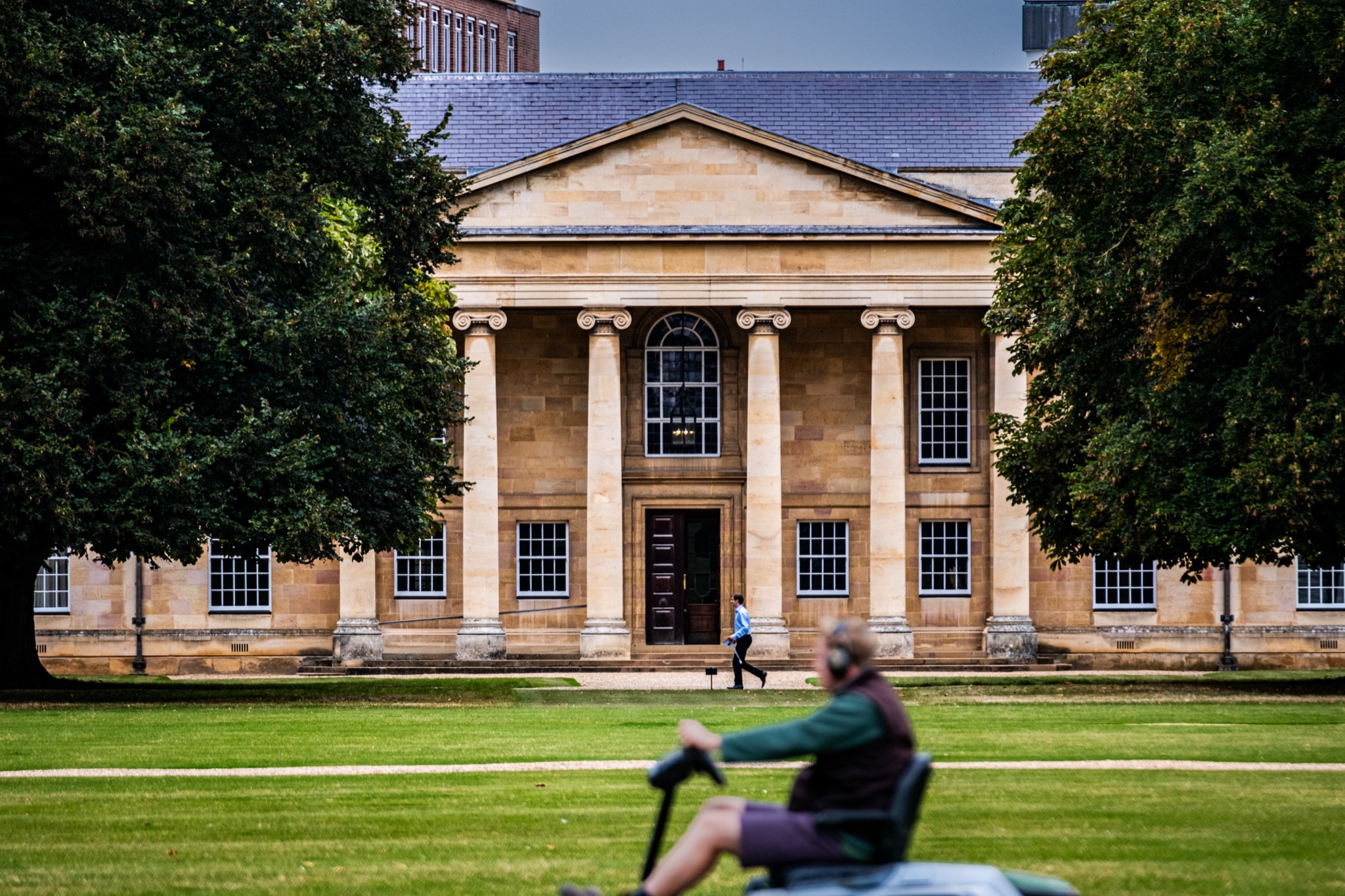
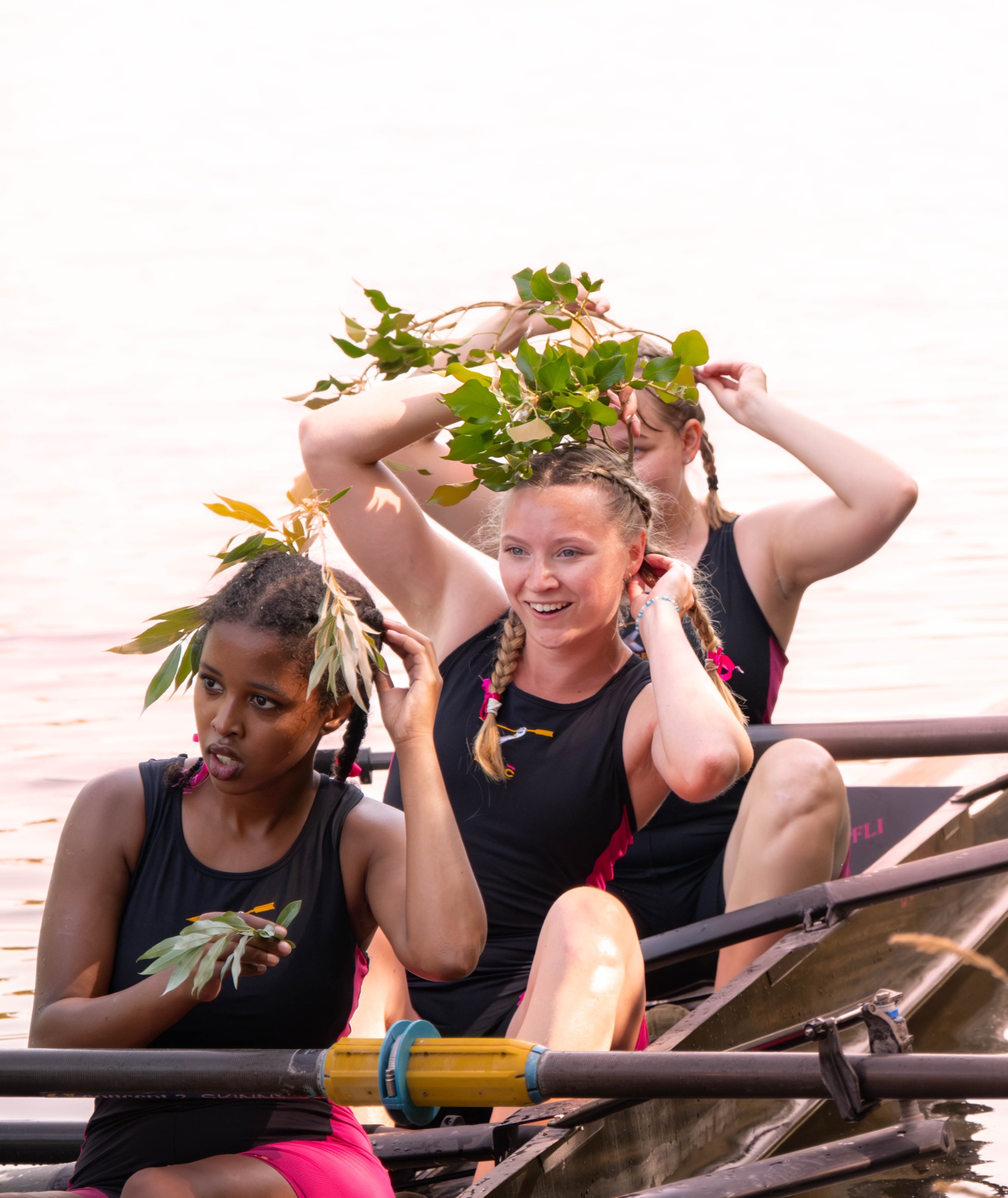
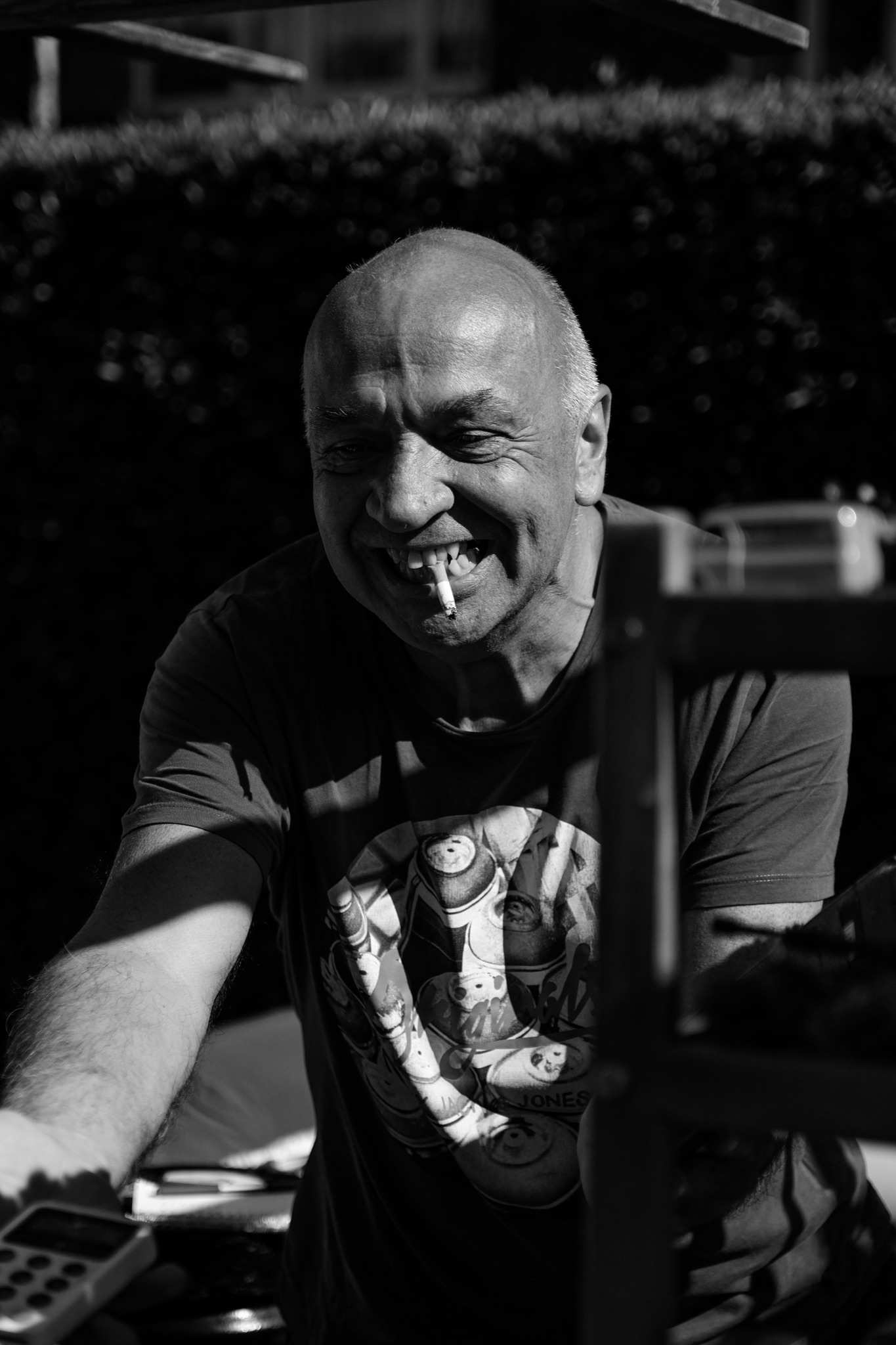
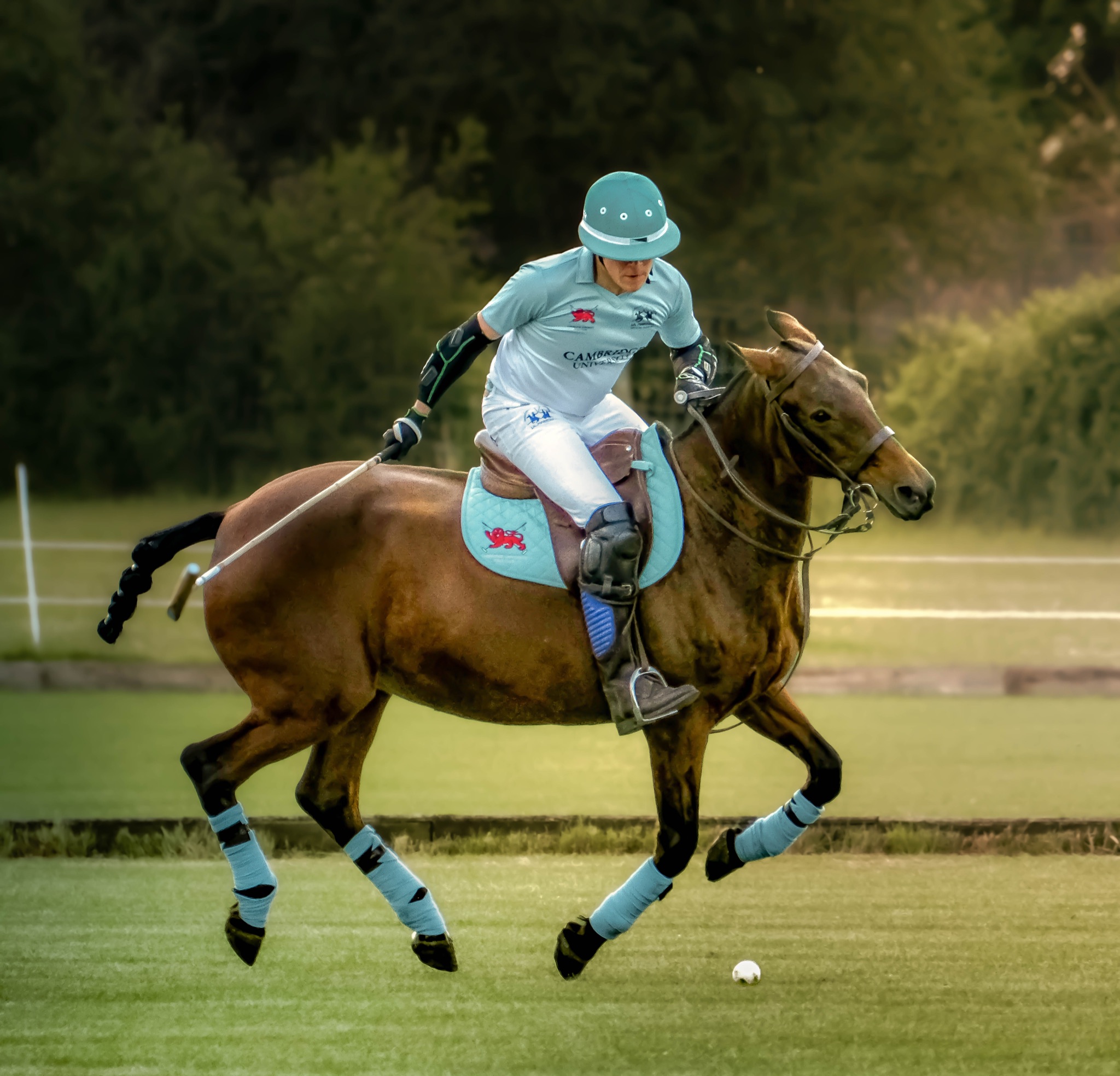
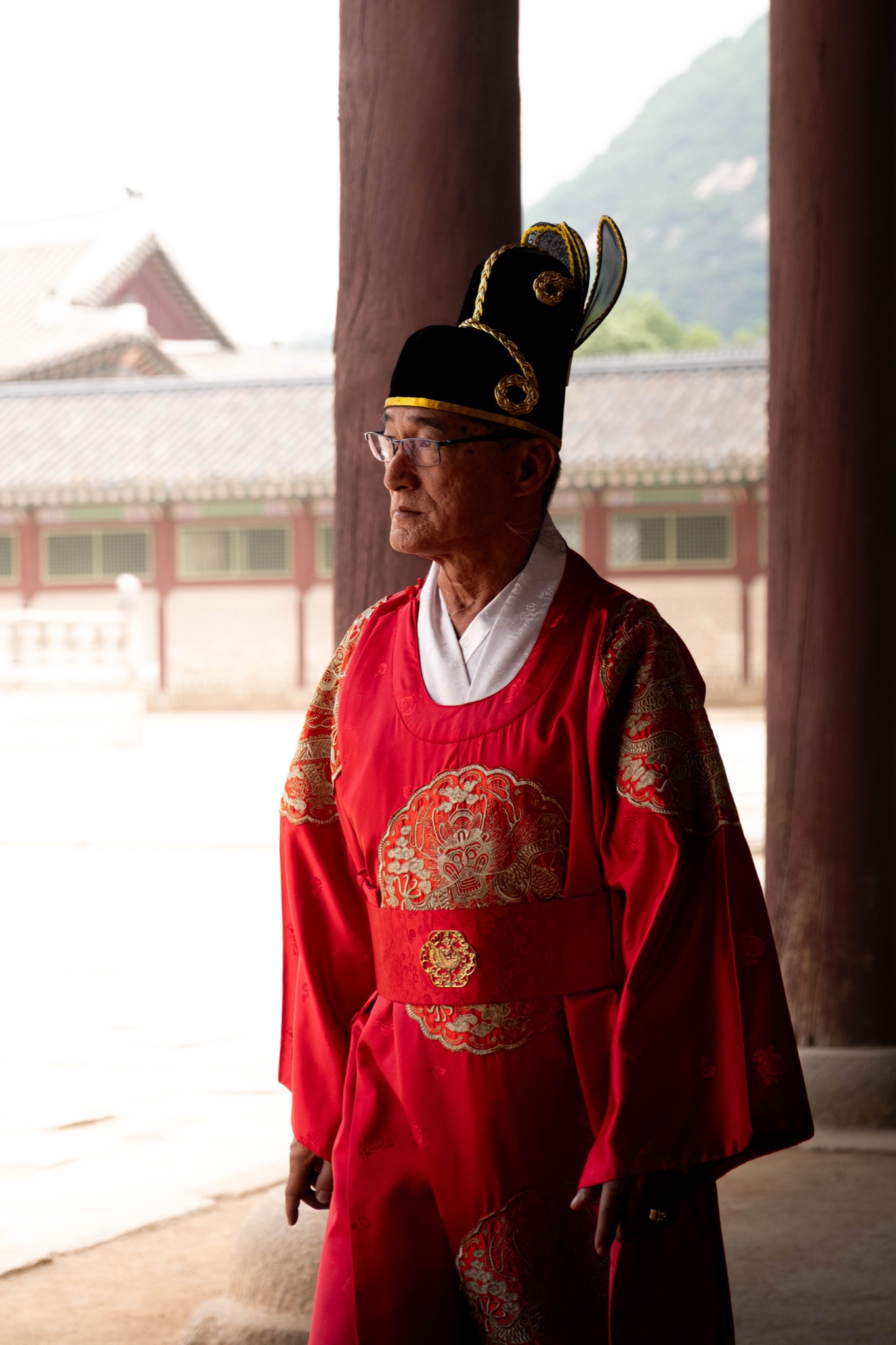
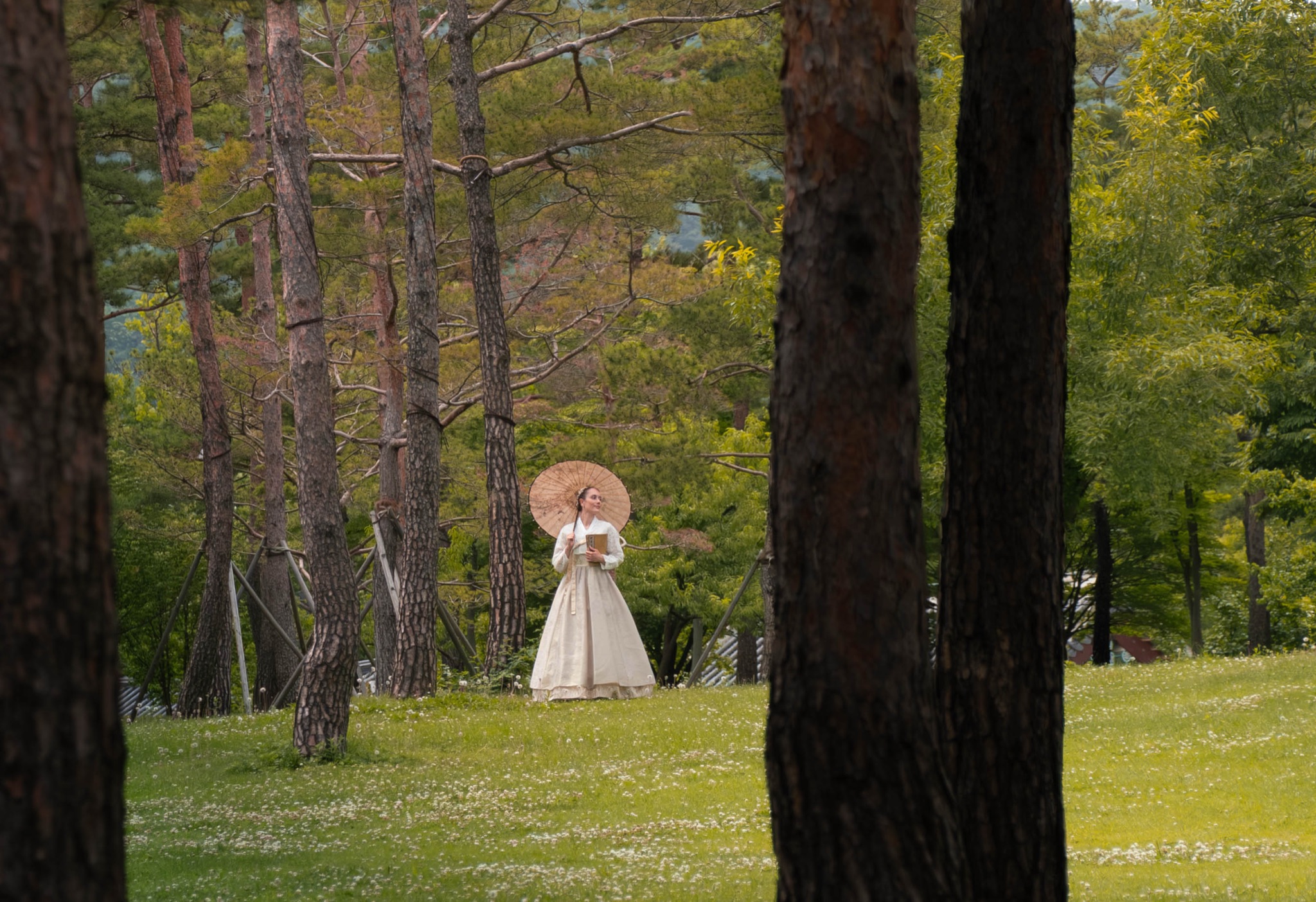
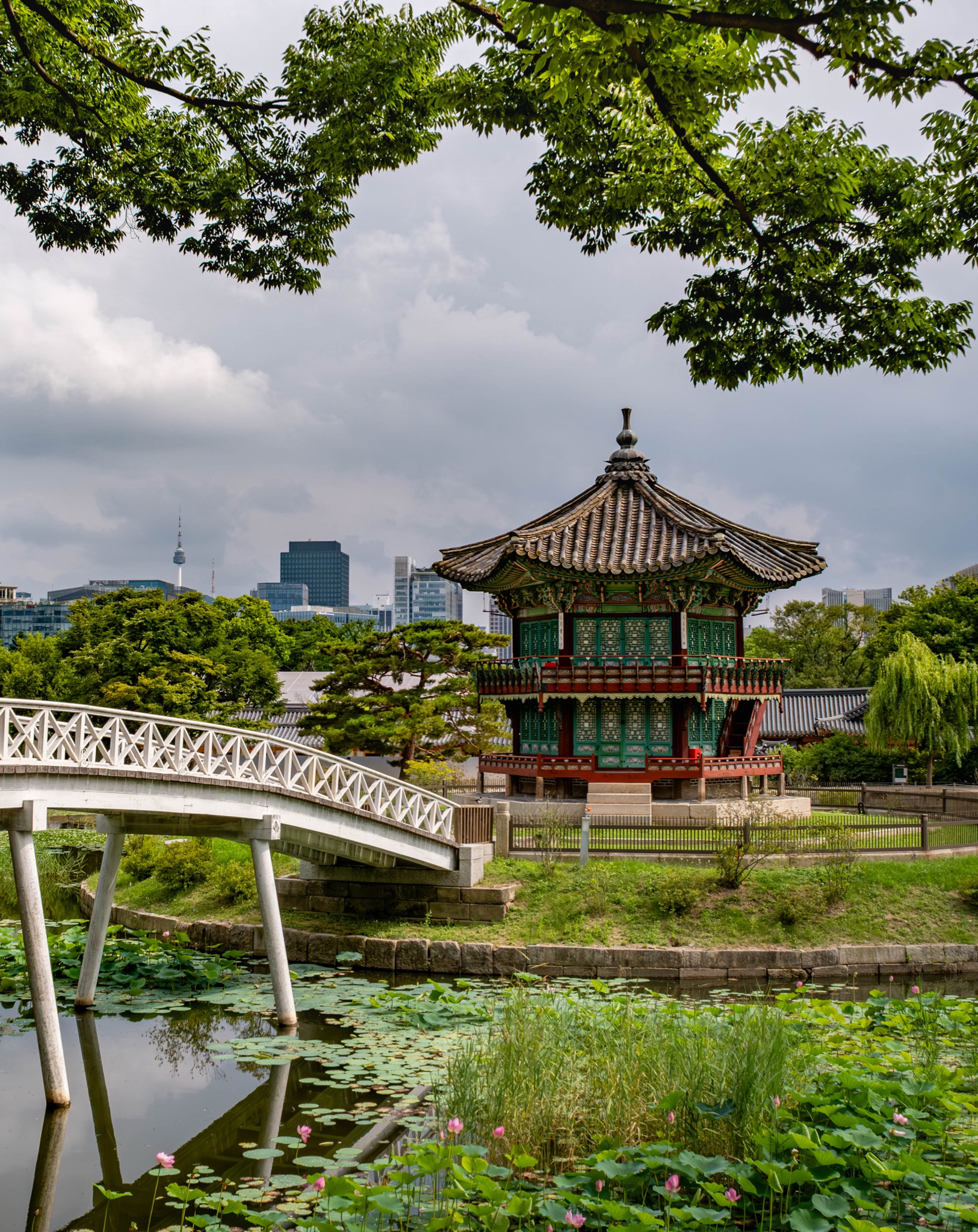
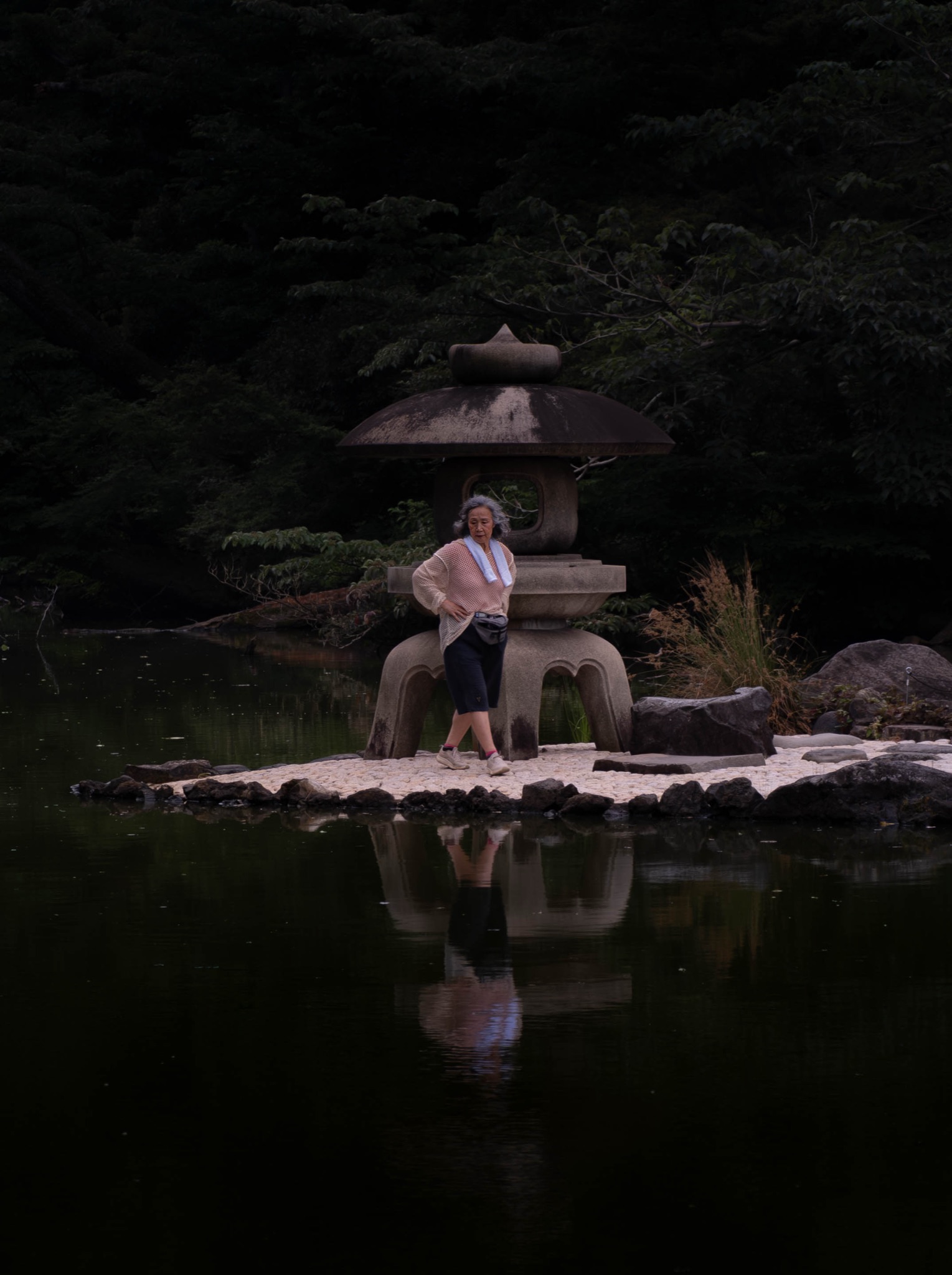
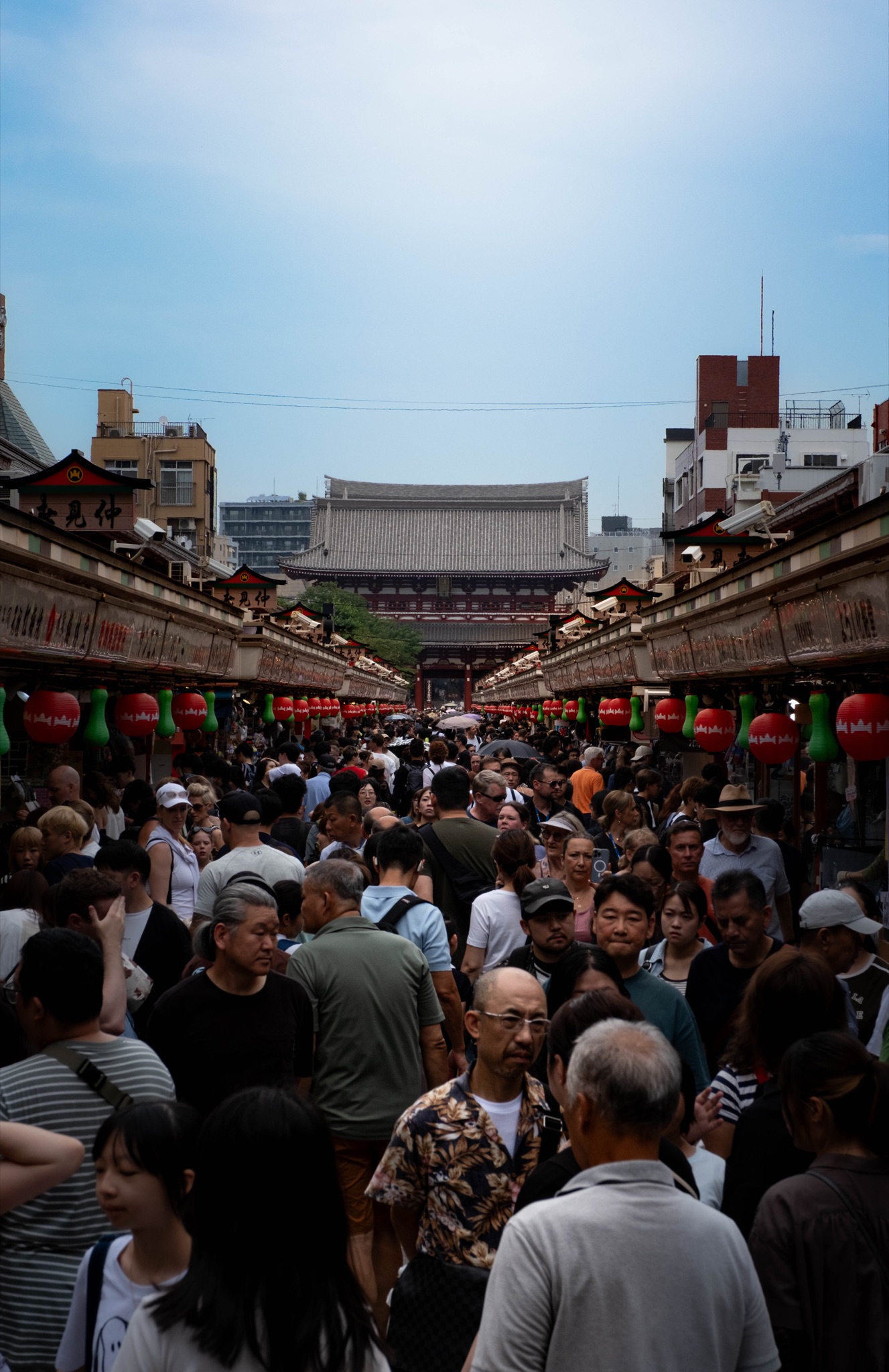
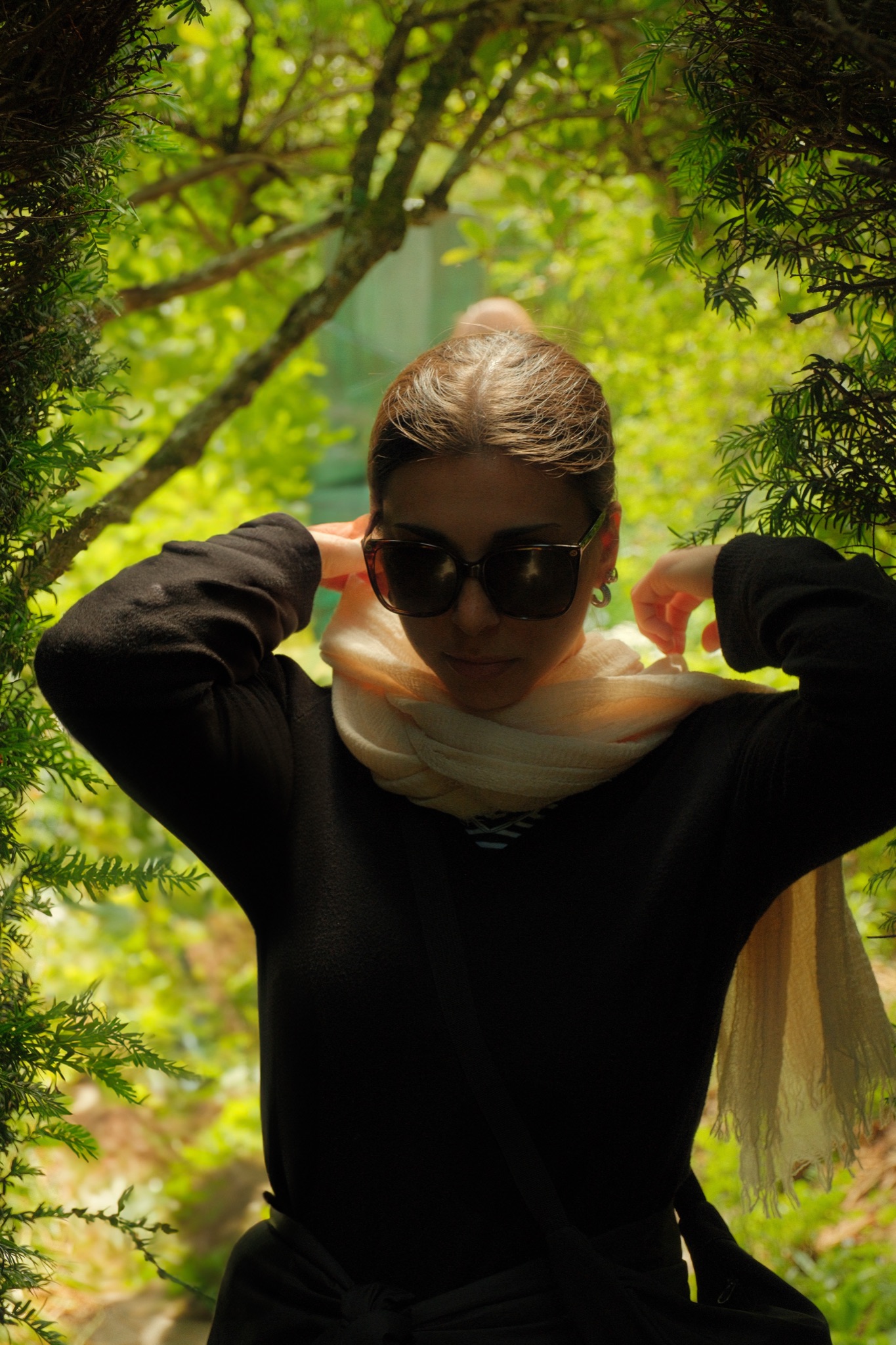
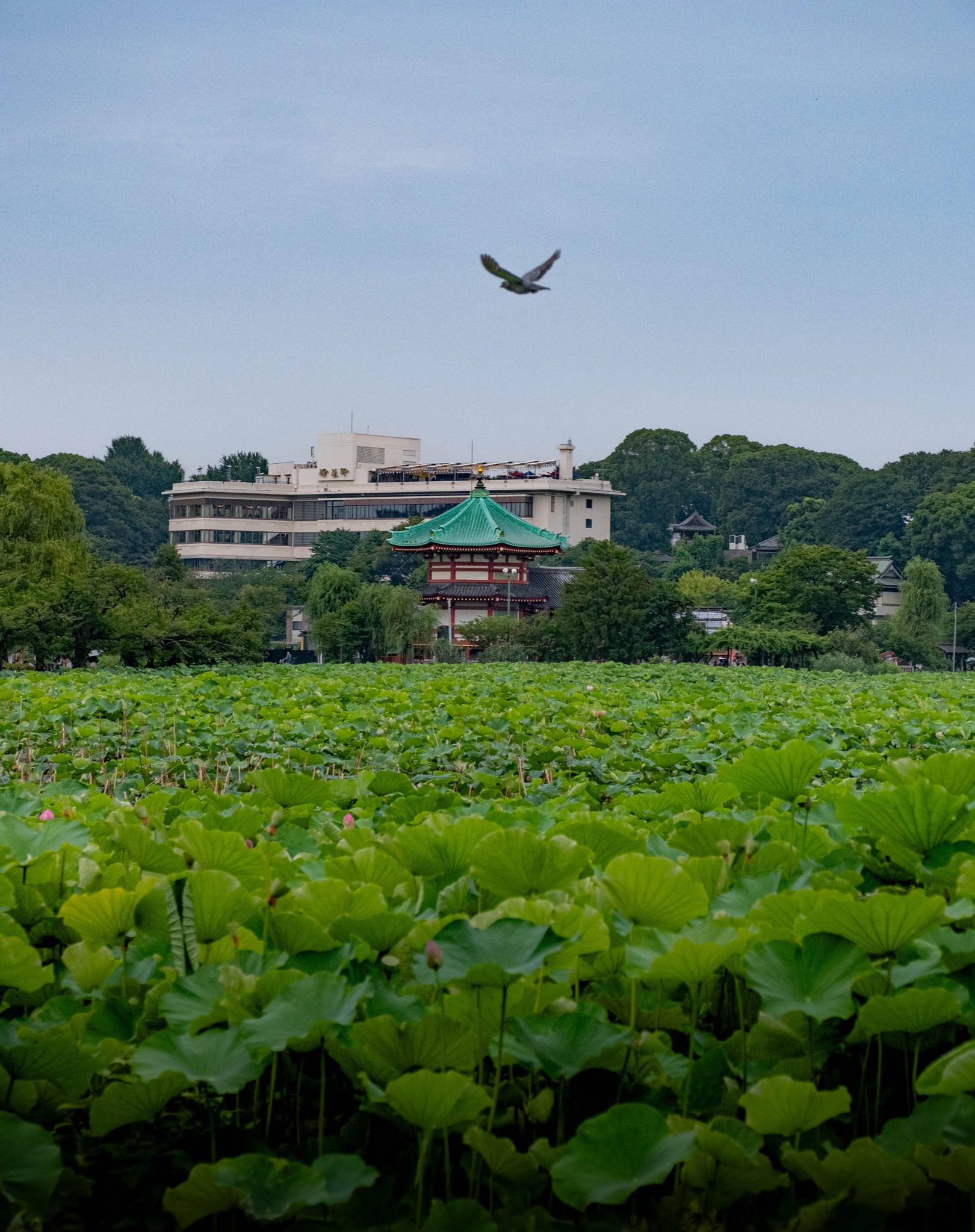
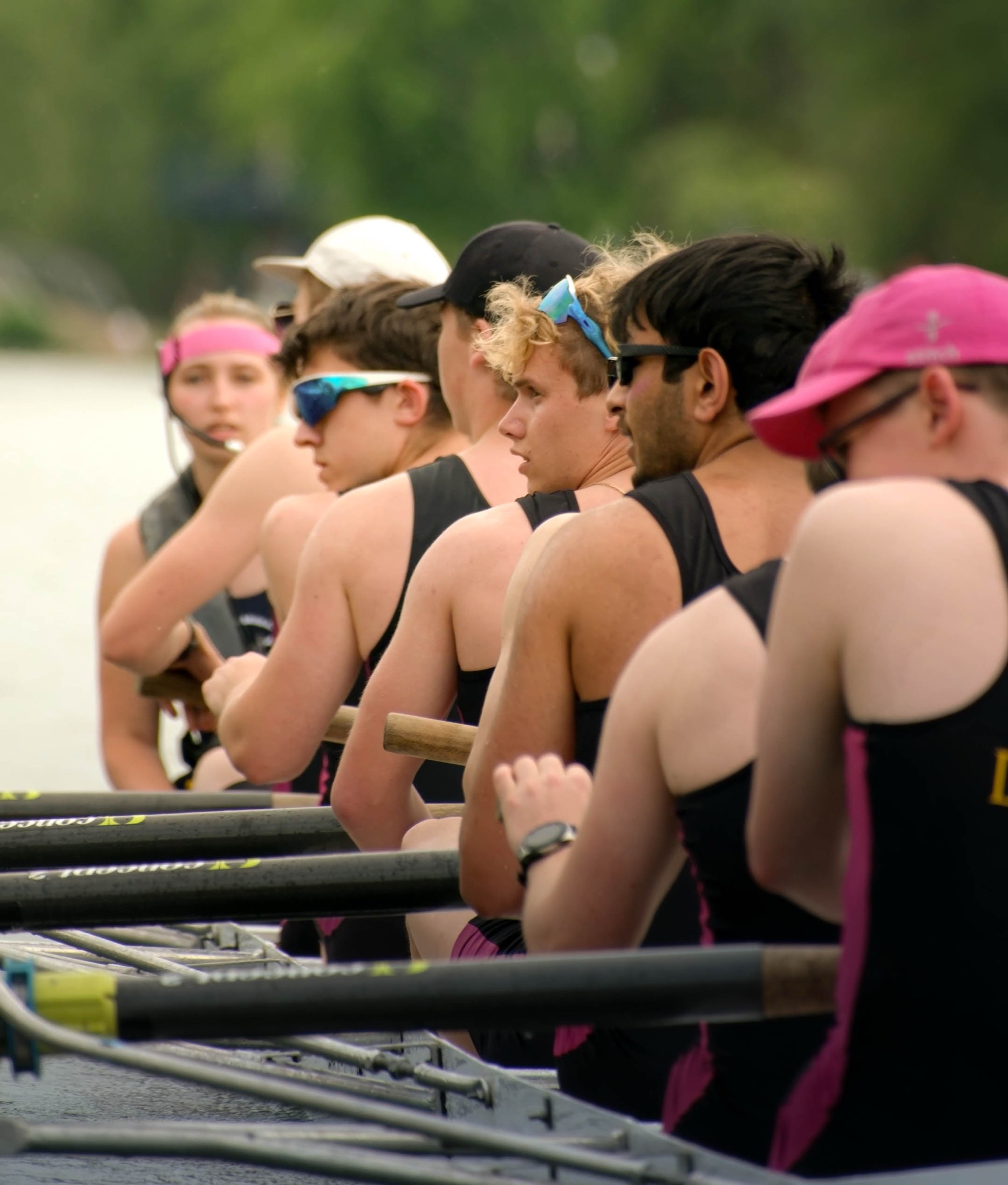
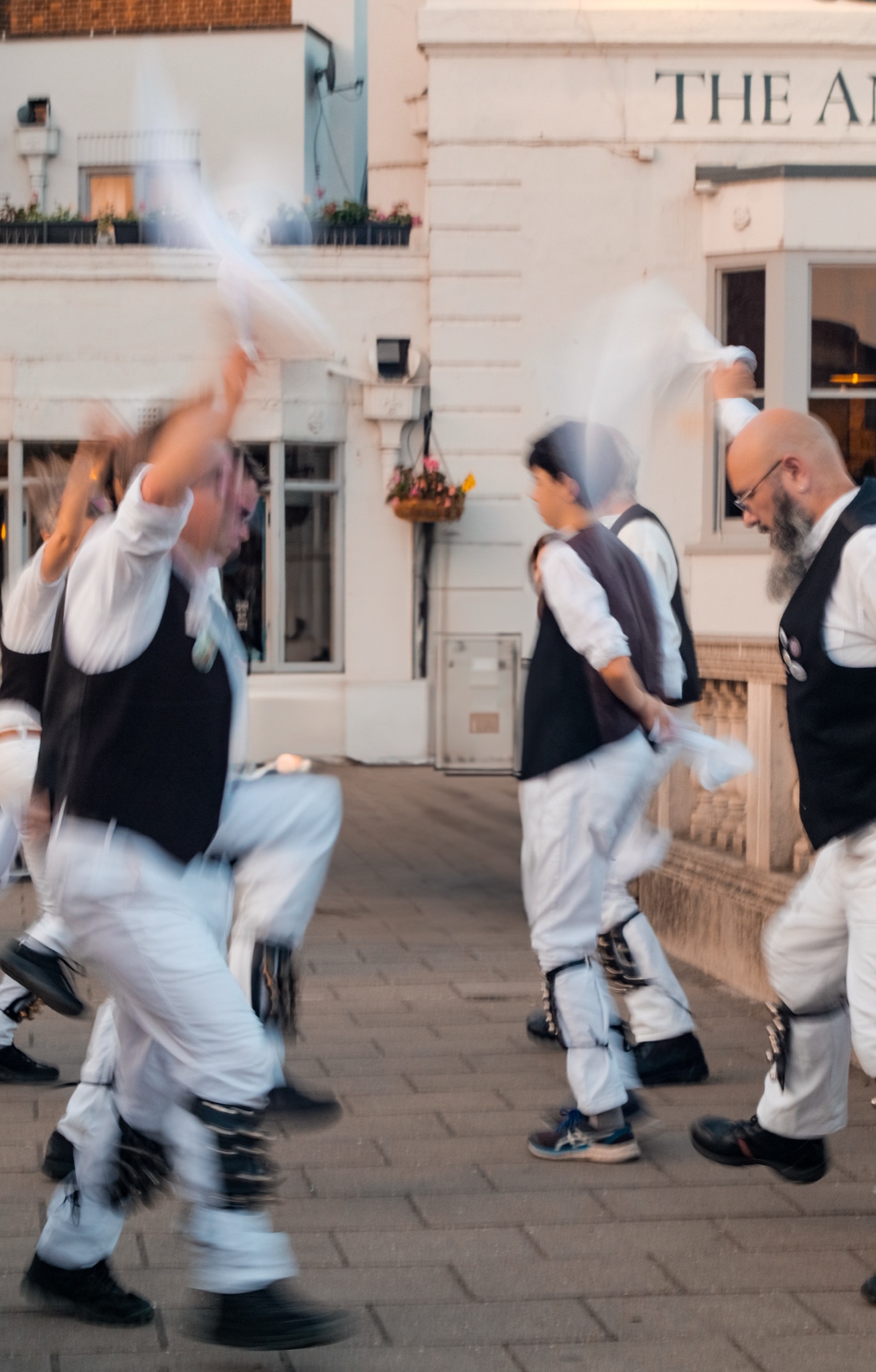
Photography has been my first step towards learning to slow down and observe. Life is so hectic and alienating at times - photography taught me to pause and appreciate the extraordinary beauty of everyday life. Truth is that photography inducted me into contemplation and a more mindful way of seeing the world. Since then I started to get more interested in philosophy and how different cultures have developed different ways of looking at the world.

Contemplatio — the old Latin word for looking at something long and hard enough that it changes you. Lux et umbra: light and shadow, time and mortality — seize the moment, and remember it will not keep.

I shoot mostly on Fujifilm glass; Fujifilm X-H2S and a (relatively old) X-E2S.

Contact

Contact Form